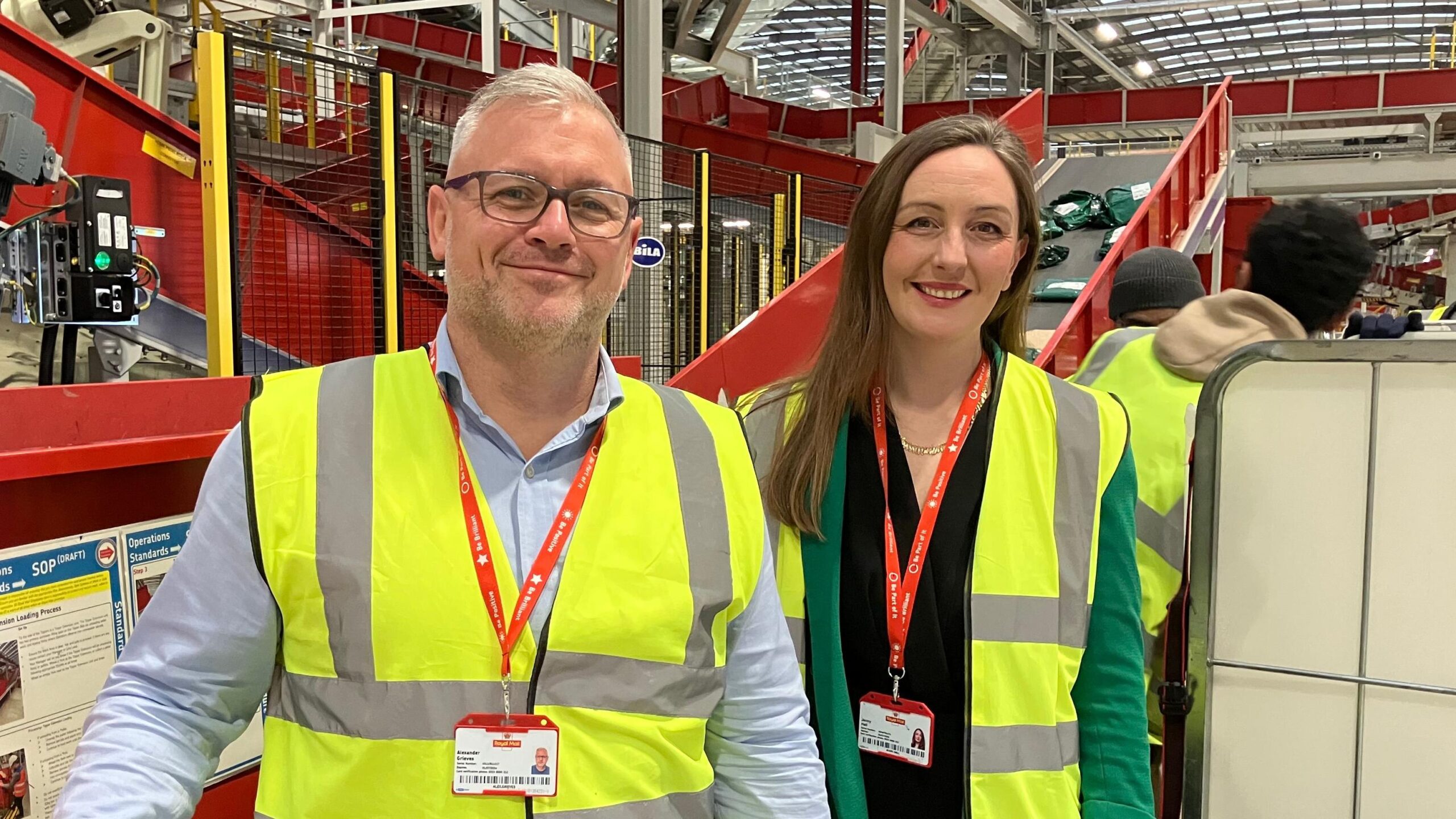
Introduction to the Princess Royal Parcel Hub
The Princess Royal Parcel Hub has quickly become a key player in the evolution of parcel logistics in the UK. Operated by Royal Mail, this advanced sorting facility reflects how traditional postal services are adapting to the fast-paced demands of e-commerce and global shipping. With online shopping continuing to surge, hubs like this are no longer optional—they’re essential.
At its core, the Princess Royal Parcel Hub is designed to handle massive volumes of parcels efficiently. Unlike older sorting centers that relied heavily on manual labor, this hub integrates automation, intelligent tracking, and streamlined logistics systems. The result? Faster processing times and more accurate deliveries, even during peak seasons like holidays or major sales events.
What makes this hub particularly interesting is how it represents a shift in strategy. Postal services used to focus primarily on letters, but now parcels dominate. The Princess Royal Parcel Hub is a direct response to that shift, positioning Royal Mail as a competitive force in a market increasingly dominated by private couriers.
How the Princess Royal Parcel Hub Works
Understanding how the Princess Royal Parcel Hub operates gives you a better appreciation of the scale and complexity involved. Every day, thousands—sometimes millions—of parcels pass through its system. From the moment a package arrives, it enters a highly organized workflow designed for speed and precision.
The process begins with parcel intake, where items are unloaded from trucks and scanned into the system. Advanced barcode and tracking technology ensure that each parcel is logged and routed correctly. This initial step is crucial because even a minor error at this stage can cause delays down the line.
Next comes automated sorting. The hub uses conveyor belts, scanning systems, and intelligent routing algorithms to direct parcels to their appropriate destinations. Unlike traditional methods, where workers manually sorted items, automation significantly reduces human error and increases throughput. It’s not uncommon for these systems to process tens of thousands of parcels per hour.
Finally, parcels are dispatched to regional delivery centers or directly to last-mile delivery routes. Timing is everything here. The hub operates around the clock to ensure that parcels move seamlessly through the network, minimizing delays and maximizing efficiency.
The Role of Technology in Modern Parcel Hubs

Technology is the beating heart of the Princess Royal Parcel Hub. Without it, handling today’s parcel volumes would be nearly impossible. From machine learning algorithms to real-time tracking systems, every aspect of the hub is optimized for performance.
One of the most impressive features is its use of automated sorting machines. These machines can read labels, scan barcodes, and even identify parcel dimensions to determine the best routing path. This level of precision ensures that packages are handled correctly, reducing the risk of damage or misplacement.
Another critical component is data analytics. The hub constantly collects and analyzes data to improve efficiency. For example, it can predict peak times, identify bottlenecks, and adjust operations accordingly. This proactive approach allows Royal Mail to stay ahead of demand rather than simply reacting to it.
Additionally, tracking technology has significantly improved the customer experience. Customers can now follow their parcels in real time, receiving updates at every stage of the journey. This transparency builds trust and reduces the uncertainty that often comes with shipping.
Why the Princess Royal Parcel Hub Matters for E-commerce
E-commerce has transformed the way people shop, and the Princess Royal Parcel Hub plays a vital role in supporting this transformation. As more consumers turn to online platforms, the demand for fast and reliable delivery continues to grow.
The hub enables retailers to meet these expectations by ensuring that parcels are processed quickly and accurately. Faster sorting means quicker dispatch, which ultimately leads to shorter delivery times. For businesses, this can be a major competitive advantage.
Moreover, the hub supports scalability. During peak shopping periods—such as Black Friday or Christmas—parcel volumes can skyrocket. The Princess Royal Parcel Hub is designed to handle these surges without compromising performance. This reliability is crucial for both retailers and customers.
It also contributes to the broader logistics ecosystem. By efficiently handling large volumes of parcels, the hub reduces pressure on smaller sorting centers and delivery networks. This creates a more balanced and resilient system overall.
Environmental Impact and Sustainability Efforts
In today’s world, sustainability is a major concern, and the Princess Royal Parcel Hub is no exception. Large logistics operations can have a significant environmental footprint, but efforts are being made to minimize this impact.
One of the key strategies is energy efficiency. Modern parcel hubs are designed with energy-saving technologies, such as LED lighting and optimized machinery that consumes less power. These improvements not only reduce emissions but also lower operational costs.
Another important पहल is route optimization. By using advanced algorithms, the hub ensures that delivery routes are as efficient as possible. This reduces fuel consumption and minimizes the carbon footprint associated with transportation.
Packaging is another area of focus. While the hub itself doesn’t control how items are packaged, it supports initiatives that encourage sustainable materials and reduced waste. Combined, these efforts contribute to a more environmentally responsible logistics network.
Challenges Faced by Large Parcel Hubs
Despite its many advantages, the Princess Royal Parcel Hub is not without challenges. Managing such a large and complex operation comes with its own set of difficulties.
One major challenge is handling peak demand. Even with advanced systems in place, sudden surges in parcel volume can strain resources. Ensuring that the hub remains efficient during these times requires careful planning and constant monitoring.
Another issue is maintenance. Automated systems are highly efficient, but they also require regular upkeep. Any technical failure can disrupt operations and cause delays. This makes maintenance a top priority for the hub’s management team.
Labor is also a factor. While automation reduces the need for manual sorting, skilled workers are still essential for overseeing operations, handling exceptions, and maintaining equipment. Finding and retaining qualified staff can be a challenge in itself.
The Future of Parcel Logistics and the Role of the Hub
Looking ahead, the Princess Royal Parcel Hub is likely to play an even more significant role in the future of logistics. As technology continues to evolve, we can expect further improvements in efficiency, accuracy, and sustainability.
One potential development is the increased use of artificial intelligence. AI could enhance sorting systems, predict demand more accurately, and even optimize delivery routes in real time. This would take efficiency to a whole new level.
Another area of growth is automation. While the hub is already highly automated, future advancements could further reduce the need for manual intervention. This would not only improve speed but also reduce operational costs.
Finally, the hub could become a model for other logistics centers around the world. As more countries invest in modernizing their postal systems, facilities like the Princess Royal Parcel Hub will serve as a blueprint for success.
Conclusion
The Princess Royal Parcel Hub is more than just a sorting facility—it’s a symbol of how logistics is evolving in the digital age. By combining advanced technology, efficient processes, and a focus on sustainability, it addresses the challenges of modern parcel delivery head-on.
For businesses, it provides the infrastructure needed to meet growing customer expectations. For consumers, it ensures that parcels arrive quickly and reliably. And for the logistics industry as a whole, it sets a new standard for what’s possible.
As e-commerce continues to expand and technology advances, the importance of hubs like this will only increase. The Princess Royal Parcel Hub isn’t just keeping up with the times—it’s helping to shape the future of parcel logistics.